Fifteen Seconds to the Main Stage: The TikTok Pipeline Reshaping Dance Music
There used to be a pretty predictable path for a dance music producer trying to break through. You'd grind the local club circuit, maybe land a spot on a mid-tier label's compilation, hope a bigger DJ dropped your track in a set, and slowly — very slowly — build a name. The process took years. Most people burned out before they got anywhere near a mainstage slot.
That path still exists. But right now, in 2024, it's running parallel to something that moves about ten times faster: the TikTok pipeline. And for a new generation of electronic producers, it's not a shortcut. It's the main road.
The New A&R Department Has 170 Million Users
Let's be real about what's actually happening here. TikTok's algorithm is doing the work that used to require a team of label scouts flying between cities and attending late-night showcases. It's surfacing new music to massive audiences based on engagement signals, not industry relationships. And it doesn't care who you know.
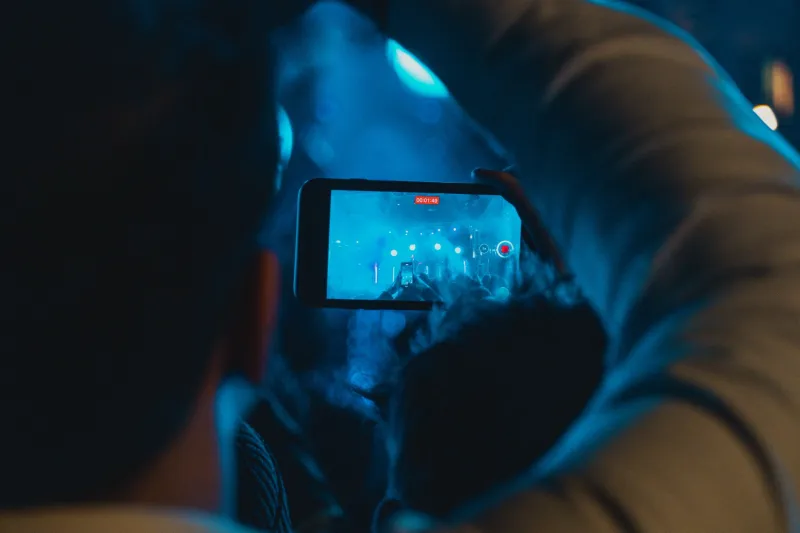
For dance music specifically, this has been a seismic shift. The genre is built on moments — drops, builds, that exact second when the kick comes back in and the crowd loses it. Those moments translate perfectly to 15 to 60 second clips. A producer sitting in an apartment in Atlanta or Phoenix can engineer exactly the kind of sonic spike that makes someone stop scrolling, and if the algorithm picks it up, that clip can reach a million people before the weekend.
We've seen it happen repeatedly over the past few years. Artists like Meduza broke through partly on the strength of viral moments. Producers in the hyperpop and phonk lanes built enormous followings almost entirely through social platforms before a single label came calling. The music found the audience first. The industry came second.
Engineering for the Algorithm Without Selling Out
Here's the tension that every serious producer working this lane has to navigate: making music that performs on TikTok and making music that holds up in a festival set are not always the same thing. But the best artists in this space have figured out how to do both.
The production choices that tend to pop on short-form video are pretty specific. You want an immediate hook — something that registers within the first two or three seconds. You want a dynamic moment, usually a drop or a filter sweep, that hits somewhere between the 10 and 20 second mark. And you want a sonic identity that's distinctive enough to be recognizable even in a muted autoplay environment.
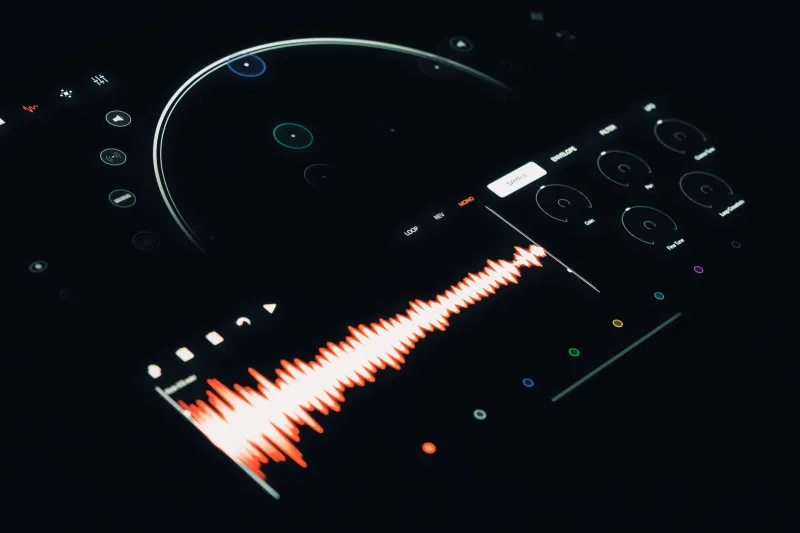
That last point is key. A significant chunk of TikTok content gets watched without sound initially. Producers who build tracks with strong visual storytelling in mind — interesting waveforms, music that pairs naturally with movement or transformation content — tend to have a built-in advantage.
But here's what's interesting: a lot of those same qualities — immediacy, a strong sonic identity, dynamic peaks — are exactly what makes a track work in a live DJ context too. The artists who are navigating this most successfully aren't compromising their sound for the algorithm. They're finding the overlap between what's engineered for virality and what's genuinely compelling music.
Case Studies in the New Launch Model
Look at what happened with the phonk wave. A subgenre rooted in chopped and screwed Memphis rap, phonk got reconstructed by a generation of bedroom producers into something that felt fresh and aggressive. It spread almost entirely through TikTok, attached to drift car videos and workout content. Within two years, phonk producers who had never played a live show were landing on streaming playlists with hundreds of millions of plays and fielding booking requests for European festivals.
Or consider the wave of producers who built followings specifically through "making a beat" content — sitting down, picking a sample or a synth patch, and building a track from scratch in real time while the camera rolls. This format does something clever: it shows the process, which builds genuine connection with an audience that's curious about production. Those viewers don't just stream the finished track. They follow the artist, share the content, and show up when there's a live event.
That's a fundamentally different kind of fan relationship than the one built through radio play. Radio listeners might love a song without having any idea who made it. A TikTok follower who watched you build that song from a blank session has a personal investment in your career.
What This Means for Artist Sustainability
The viral pipeline is real, but it comes with some legitimate concerns worth naming. Virality is inherently unpredictable and often short-lived. A producer who blows up on one track can find themselves chasing that same moment indefinitely, especially if the pressure to feed the algorithm starts driving creative decisions in ways that feel more reactive than intentional.
There's also the question of catalog depth. Traditional artist development — the slow build through labels and touring — had the side effect of forcing artists to develop a body of work before they got significant exposure. The TikTok model can put someone in front of millions of people when they've released three tracks. That's exciting, but it can also be a lot of pressure on someone who hasn't fully developed their artistic identity yet.
The producers who seem to be building genuinely sustainable careers out of this moment are the ones treating social platforms as a distribution and discovery tool, not as the end goal. They're using the visibility to build an email list, sell merchandise, book shows, and develop the kind of audience loyalty that doesn't depend on the algorithm having a good day.
The Festival Circuit Is Already Adapting
Booking agents and festival programmers are paying attention. More and more, the metrics they're looking at when considering a new act include social following, streaming numbers driven by viral moments, and engagement rates — not just whether the artist has label backing or a history of club residencies.
That's a meaningful shift in how the dance music world identifies and develops talent. It's faster, more democratic in some ways, and genuinely more connected to what audiences actually want to hear. But it also means the next generation of festival headliners is going to be shaped, at least in part, by what a short-form video algorithm decided to push on a Tuesday afternoon.
For the producers who understand both the creative and the platform side of this equation, that's not a threat. It's the biggest opportunity the dance music world has offered in a long time.