Where Do Festival Sets Go When They Die? Inside the Afterlife of Your Weekend Performance
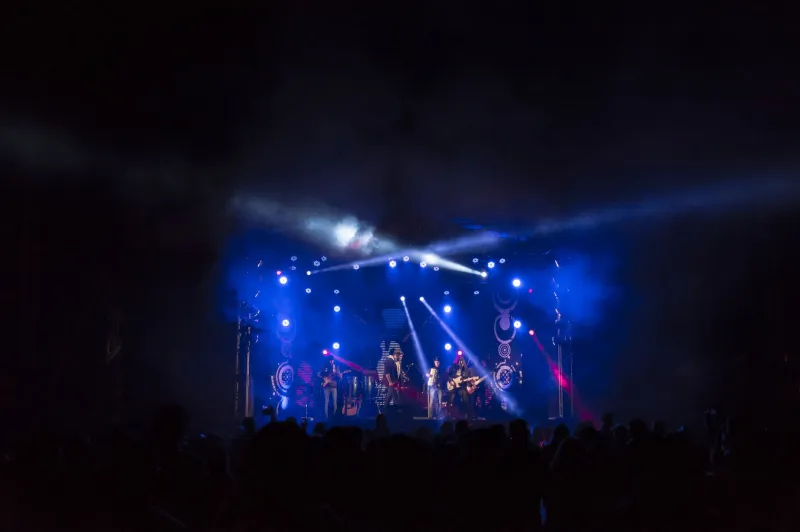
The crowd leaves. The crew wraps cable. And somewhere in a hard drive the size of a shoebox sits 90 minutes of your life, recorded from six angles, waiting to become something — or nothing.
That's the part of festival season nobody puts on the poster. Every major US electronic festival, from the desert mega-events to the regional weekenders scattered across the Midwest, is quietly running a second production after the production: the archive pipeline. And how your set moves through it has become one of the stranger economics in modern dance music.
The Machine Behind the Memories
Most big American festivals now film everything. Not just the main stage — everything. A typical three-day event with four stages might capture 60 to 80 full sets, each one multitrack-recorded off the venue's own signal, synced to camera feeds, and logged into a content management system before the porta-potties have even been hosed down.
"People assume there's a guy deciding what gets uploaded," one festival content producer told us, asking to stay anonymous because she works with multiple major events. "There isn't a guy. There's a spreadsheet, a budget, and about three weeks."
That spreadsheet is where careers quietly tilt. Headliners get the full treatment: color correction, a dedicated editor, sometimes a licensed audio master mixed from the raw multitracks. Everything else falls into a triage system that weighs three factors — artist draw, clip potential, and whether anything visually or sonically chaotic happened that could go viral.
The 45-Second Economy
Here's the uncomfortable math: a beautifully shot, professionally mixed 60-minute set upload might pull 40,000 views on YouTube. A vertical phone clip of a crowd losing its mind during one drop can pull 4 million on TikTok in a weekend. Content teams know this. So more and more, festivals are cutting their archive like a highlights reel, mining every set for the two or three moments that can live as short-form video.
For artists, that changes how you should think about your festival slot entirely. "I tell my clients to plan their set around one engineered moment," says a manager who works with several mid-tier bass music acts. "A remix nobody's heard. A guest vocal. Something that clips well. The rest of the set is for the people who showed up — the clip is for everyone who didn't."
It sounds cynical. It also works. Several artists who graduated from 4 PM undercard slots to billed touring acts in the last two years did so off a single festival moment, filmed once, repackaged endlessly.
Who Owns the Tape?
Then there's the question artists rarely ask until it's too late: whose footage is it, actually?
Most festival contracts include broad content clauses granting the event the right to record, edit, and distribute your performance in perpetuity. A few artists have negotiated approval rights or revenue splits on official uploads — usually the ones with leverage. Everyone else signed it in the artist portal at 2 AM while their flight was boarding.
The upside, most managers concede, is that free professional documentation is genuinely valuable. A clean multitrack of your festival set can become an official live release, a mixcloud upload, a press asset. Some artists even ask festivals for their stems and mix the upload themselves — a growing practice that gets you a better-sounding archive and saves the festival an editor's fee.
The downside is permanence. A rough moment lives forever in someone's cloud storage, and if it's juicy enough, it eventually leaks out as a "crowd angle" clip with your name attached.
The Sets That Vanish
For every upload, there are dozens of sets that go nowhere. Small-stage artists whose footage sits unedited because the content budget ran dry by Sunday. Sets where the sync failed and the audio is unusable. Entire stages at some events that are recorded but never touched again — archived, technically, but functionally erased.
If you're playing your first festival this season, the honest advice from the people who run these pipelines is simple: don't wait for the festival to make you famous. Get your own person filming. Ask for your multitrack in advance, in writing. Treat the official content as a bonus, not a plan.
Because the crowd goes home on Sunday night. The archive lasts as long as somebody thinks it's worth keeping — and nobody at the festival is paid to care about your career the way you are.