Sticker Price vs. Sound Quality: The Myth of the Premium Headphone
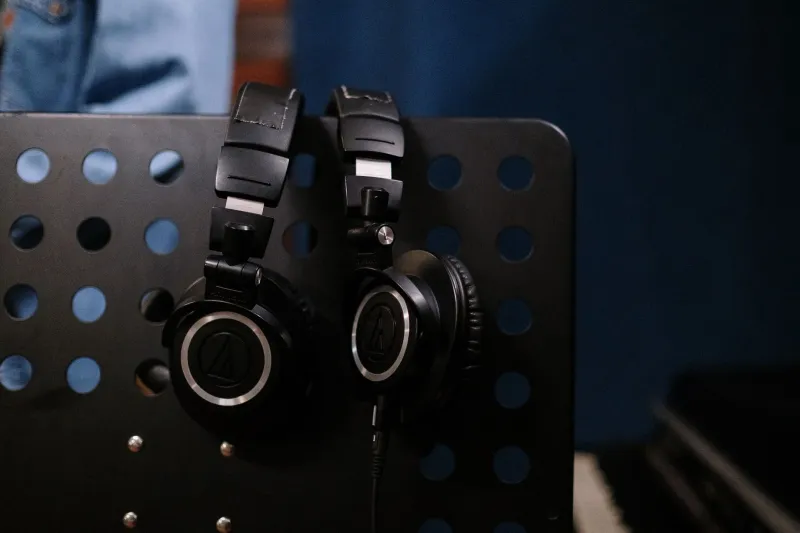
Let's be honest — most of us have stood in a Best Buy or scrolled through an Amazon listing at midnight, convinced that the $350 pair of headphones had to sound better than the $40 ones sitting right next to them. The packaging is sleeker. The brand name is recognizable. There's a little velvet pouch included. Obviously they're superior, right?
Maybe not. And audio engineers — people who spend their entire careers obsessing over sound — have been quietly raising this point for years.
What Your Ears Actually Do (And Don't Do)
Here's where things get interesting. Human hearing doesn't work like a microphone. We don't passively receive sound — we actively interpret it. The auditory cortex is constantly filling in gaps, making predictions, and yes, being influenced by context. That context includes everything from the room you're in to the price tag you just read on the box.
This isn't speculation. A landmark study out of Stanford's Center for Computer Research in Music and Acoustics found that participants rated the perceived sound quality of wine higher when told it was expensive — a principle that translates almost directly to audio gear. When listeners know they're wearing a premium headphone, they expect to hear something better. And often, they do — whether or not the frequency response actually supports that impression.
Jordan Kessler, a mix engineer based out of Nashville who's worked on records across the country, put it bluntly in a conversation with us: "I've had sessions where a producer swears by their $500 cans, and then I A/B it with a $60 pair and they can't tell the difference on a double-blind test. Every time. The brain is the most expensive piece of gear in the room."
Frequency Response: The Number That Actually Matters
If you want to cut through the marketing noise, frequency response is the spec worth paying attention to. It describes how accurately a headphone reproduces sound across the audible spectrum — roughly 20Hz to 20,000Hz for most adults, though that upper range shrinks as we age.
Here's the thing: a lot of budget headphones in the $30–$80 range have frequency response curves that, on paper, are remarkably close to headphones costing five or ten times as much. The differences often show up in how those frequencies are tuned — some cheaper pairs boost bass to sound impressive out of the box, while some expensive audiophile models aim for a flatter, more "reference" sound.
But reference-flat isn't automatically better for the average listener. Most people actually prefer a slight bass boost. Which means a $45 pair of Sony MDR headphones with a little extra low-end might genuinely be more enjoyable for casual listening than a pair of flat-response studio monitors that cost 20 times more.
Maya Chen, a mastering engineer who works out of a studio in Los Angeles, explained it this way: "When I'm mastering, I want flat. I want truth. But truth isn't always what feels good. Consumers aren't mastering engineers. They're listening to music on their commute. Different tools for different jobs."
The Blind Test Problem Nobody Wants to Talk About
Blind listening tests — where participants can't see or know which headphone they're using — have been producing uncomfortable results for decades. The audio community has a name for this: the "expectation bias" problem. And the data keeps pointing in the same direction.
In multiple independent blind tests organized by audiophile communities on forums like Head-Fi and Reddit's r/headphones, budget headphones from brands like Koss, Superlux, and Samson regularly outperform or match headphones costing significantly more — at least in terms of listener preference. Not always. But often enough that it's hard to ignore.
The nuance here matters, though. Build quality, durability, comfort over long sessions, and driver longevity are all areas where premium headphones often genuinely do justify their price. A $400 pair of Sennheisers is probably going to last longer and feel better on your head for a six-hour studio session than a $40 pair. That's real value. But it's not the same as sounding better.
Where Marketing Fills the Gap
Audio marketing is extraordinarily good at creating desire. Terms like "audiophile-grade," "studio reference," and "hi-res audio certified" carry weight — but they don't always translate to a measurably better listening experience for the person buying them.
"Hi-res audio" is a perfect example. Most streaming platforms compress audio in ways that make hi-res headphone specs largely irrelevant for everyday listening. You'd need pristine, uncompressed source files to even begin noticing the difference — and most people aren't listening to FLAC files. They're on Spotify. They're on Apple Music. The bottleneck isn't the headphone; it's the file.
Kessler again: "I tell people all the time — fix your source before you fix your gear. A great headphone playing a bad file is still a bad listening experience."
So What Should You Actually Buy?
This isn't an argument that expensive headphones are a scam. Some of them are genuinely exceptional pieces of engineering. The Audeze LCD series, certain Beyerdynamic models, and flagship offerings from Sony and AKG represent real advances in driver technology and acoustic design. If you're a producer, a mastering engineer, or someone who just really cares about this stuff, the investment can make sense.
But if you're a music fan trying to get the most out of your listening experience without emptying your wallet, the honest answer is: spend somewhere between $50 and $150, read the frequency response curve, and trust your ears — not the box.
Better yet, if a store will let you, do your own informal blind test. Hand the headphones to a friend, close your eyes, and listen. You might be surprised what your brain does when it doesn't know what it's supposed to think.
The Takeaway for Producers and Fans Alike
At Rayez Music, we're always interested in how the gear conversation intersects with the creative one. And the frequency gap — the space between what equipment costs and what it actually delivers — is one of the more fascinating fault lines in audio culture right now.
The music matters most. The frequencies your favorite producer spent weeks crafting in the studio aren't going to arrive any more faithfully through a $500 headphone if your source file is compressed to oblivion. Getting your listening chain right, from file quality to EQ settings to the acoustic space around you, will do more for your experience than a premium price tag ever will.
Feel every frequency — but don't let marketing decide which ones you're allowed to hear.