The 300-Person Room That Made Your Favorite Track: A Defense of America's Small Clubs
Every electronic artist you love has a room they never talk about anymore. Not a festival. Not a warehouse takeover. A club — the kind with a bad ventilation system, a sound system that's older than some of the crowd, and a capacity somewhere between a large house party and a wedding.
These rooms are where American dance music actually gets made. And they are, by nearly every measure, in trouble.
The Laboratory Nobody Funds
Ask a touring DJ where they test new material and the answer is almost never the festival. Festivals are for the tested. The untested stuff — the half-finished ID, the weird 140 BPM detour, the track that only works on a system with real low end — that gets road-tested in small rooms, where the stakes are low and the feedback is immediate.
"A festival crowd gives you 30,000 data points, but they're all the same data point," one longtime resident DJ in Chicago told us. "A club crowd gives you 200 people who will either dance or look at you. There's no hiding."
That immediacy is why small clubs punch so far above their size culturally. A resident can play the same room monthly, watch an idea flop, reshape it, and try again three weeks later. No stadium act has that feedback loop. Most stadium tracks, if you trace them back, passed through some version of it.
The Economics of Almost
Here's the warning part. The average 300-cap club in a mid-size US city is running a business model with almost no slack in it. Rent in walkable downtown districts has climbed steadily since the pandemic. Sound system repairs run five figures. Door splits that worked in 2015 barely cover DJ fees and a sound tech now.
Bookers describe the math in blunt terms. "We need roughly 120 paid entries to break even on a Friday," one Midwest booker explained. "Below that, I lose money. Above 180, we're fine. There's no middle. Every week is a coin flip, and the coin is whether 150 people decide to go out."
The competition isn't other clubs — it's everything. Streaming at home, early-morning flights to festival gigs, the general post-2020 flattening of going-out culture. And when a city's club closes, the pipeline it fed closes with it. Open decks disappear. Local openers lose their proving ground. Three years later, that city's festival lineup looks exactly like every other city's festival lineup, because nobody local had a room to develop in.
What Keeps the Lights On
The clubs that survive tend to share a few traits. They have a resident — someone whose name is on the flyer month after month, building an actual audience rather than renting one. They take genre risks on weeknights, when the rent is low, and protect their identity on weekends. And they treat the room itself as the product: decent sound, decent lighting, a door policy that isn't just a velvet rope with a Venmo.
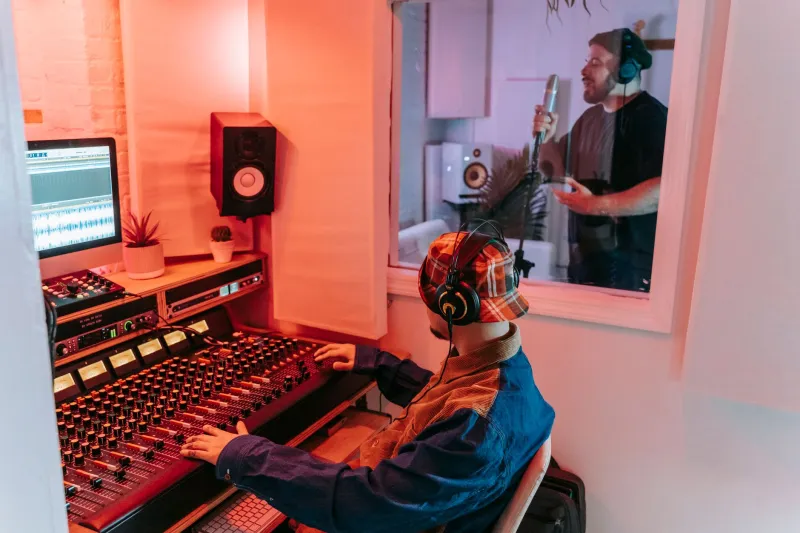
Several US rooms have also gotten creative with revenue — daytime listening sessions, production workshops, even renting the space for video shoots during off hours. It's not romantic. It's how the laboratory stays open.
Go Small on Purpose
If you're a fan, the ask is simple: buy the $15 advance ticket to the small show, not the $15 you'll spend deciding whether to go to the big one. If you're a producer, play the small room even when the festival offer feels close — because the small room is where you learn what your music actually does to human beings in a dark space with a real system.
The tracks that fill stadiums are still born in rooms you could park a van inside. The question for the next decade of American electronic music is whether enough of those rooms survive to keep doing the birthing.