Doors at Midnight, Done by Never: The Case for Fixing America's Broken Show Times
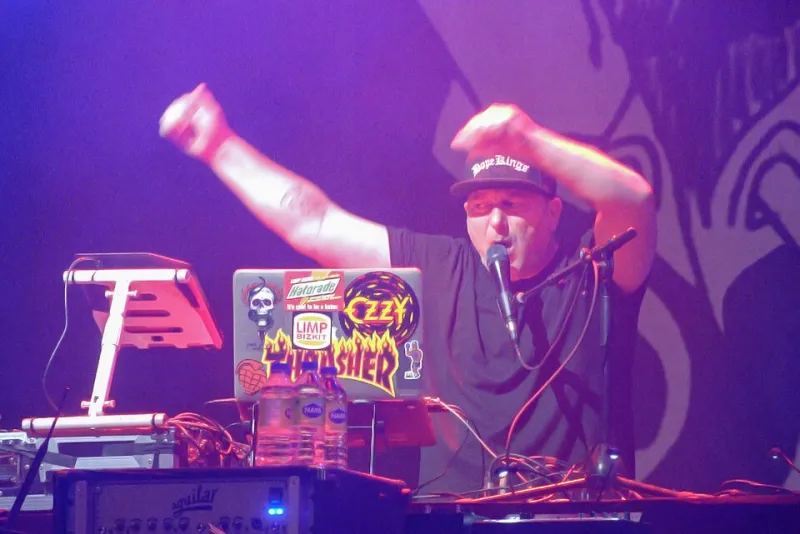
Photo: Quintin Soloviev, CC BY-SA 4.0, via Wikimedia Commons
It's 11:47 PM on a Saturday in Chicago, and the headliner hasn't even started their set. The openers have been playing to a half-empty room for three hours. By the time the peak-hour records drop, half the crowd is checking their phones for last train times, and the bartender is already giving the side-eye to anyone ordering a fourth Red Bull.
If you've been to an electronic show in the US, you know this ritual. And if you've been to one in Berlin, Amsterdam, or even Toronto, you know it doesn't have to be this way.
The Transatlantic Time Gap
Across much of Europe, club nights routinely kick off at 10 or 11 PM — but that's the end of the night, not the beginning. In Berlin, doors might open at midnight, but that's because the party runs until Sunday afternoon. The American model is stranger: we import the late start times without the cultural infrastructure to support them. No afternoon closures, no relaxed attitudes about a Tuesday rave, no public transit running all night in most cities.
The result? A headliner who goes on at 1 AM for a crowd that started thinning at midnight. Everyone loses.
Who Gets Left Behind
Talk to promoters and a pattern emerges. The 10 PM start — with headliners sliding toward 1 AM — filters out entire groups of potential fans.
Parents who can't find (or afford) a sitter until midnight. The 30-something with a 7 AM shift who still wants to see live music. Out-of-town fans who booked a Sunday morning flight. And perhaps most importantly, the casual listener — the person who likes dance music but isn't going to restructure their weekend around it.
"We did an experiment last spring," one Midwest venue owner told me. "Moved doors from 9 to 7:30, headliner on at 10. We sold twenty percent more tickets and the bar numbers didn't drop the way everyone assumed they would. People just... bought their drinks earlier."
The Opening Act Gets the Worst of It
There's a human cost, too. Openers on a late-running American bill often play to nobody. The crowd treats the first three hours as a lobby hang, a place to wait out the real show. That's hours of unpaid or underpaid labor — hauling gear, playing well, building skills — performed for an empty dancefloor.
Compare that to the earlier European model, where the opener actually warms up a room that showed up on time. It's a training ground instead of a purgatory. Ask any artist who broke through in Europe's club system: those early slots mattered because people were there to hear them.
Why the Late Start Persists
So why doesn't it change? Partly inertia. Partly a belief, baked into American nightlife, that alcohol revenue requires late hours — the longer the night, the more rounds sold. Partly the festival model, where late-night sets are marketed as premium experiences.
There's also a cultural insecurity at play. American dance culture has long borrowed European signifiers of credibility, and 'the real party starts late' is one of them. Earlier start times can feel, to some promoters, like going pop.
The Case for the Early Show
But the math is shifting. Day parties and sunset sets are among the fastest-growing formats in US dance music. Events like daytime rooftop series in New York and early-start warehouse nights in Detroit have proven that people will absolutely dance at 8 PM — and go home happy by midnight.
Earlier shows also mean broader audiences, which means healthier scenes. A 22-year-old and a 45-year-old can share a floor when neither one has to sacrifice sleep or sanity to be there. Opening DJs get heard. Staff get home at a reasonable hour. Cities with 2 AM last calls — which is most of them — suddenly make sense for a full experience.
None of this requires reinventing the wheel. It requires promoters to trust that the music is the draw, not the hour.
Time to Turn the Lights Up
American dance music has never been bigger at the top — stadium residencies, Vegas residencies, festival main stages. But the club-level scene that feeds all of it is running on a schedule designed to exclude as many people as possible.
The fix isn't glamorous. It's a door time. It's a promoter willing to put the headliner on at 11 instead of 1. It's a venue owner willing to find out whether a room full of people who came for the music — all of it, openers included — spends as much as a room full of people nursing drinks until the drop.
The scene's future might depend on starting a little earlier. Weird, right? The party of the future might just begin before midnight.