Six Hundred Miles, Three Gigs, One Tank of Gas: Riding Shotgun With a Touring DJ in Middle America
Photo: Mika Väisänen, CC BY-SA 4.0, via Wikimedia Commons
Friday, 2:14 PM. A Subaru Outback with 187,000 miles on the odometer pulls out of a Cincinnati parking lot. Behind the wheel: a DJ we'll call Mara, 34, eleven years into a career that has never included a tour bus, a manager, or a single flight booked on her behalf.
This weekend she'll play three cities in two states. Total guarantee: $1,150. Total audience across all three nights: maybe 600 people. This is what touring actually looks like for the overwhelming majority of working DJs in America.
The Geography Is the Gig
Ask Mara about the hardest part of her job and she doesn't mention the money or the late nights. She points at a map.
"Everything is four hours from everything," she says, merging onto I-74. "Chicago to Indianapolis, Indy to Columbus, Columbus back home. There's no density. In Europe you can play five cities in a week and sleep in your own bed twice. Here, every gig costs you a day of driving."
That sprawl shapes careers in invisible ways. DJs who happen to live near a corridor of bookable cities — the Northeast, the I-5 corridor in California, the Chicago-to-Detroit axis — simply get more reps than equally talented artists in, say, rural Arkansas. Reps mean relationships. Relationships mean bookings. The map decides who breaks through as much as the music does.
Gas Stations and Green Rooms
The tour rider for this weekend: one Subway sandwich, one gas station coffee, and a bag of gas station peanuts consumed somewhere outside Greencastle, Indiana. Mara has a system — she won't eat heavy before a set, so dinner is often a post-show Waffle House at 3 AM, the unofficial official restaurant of American touring.
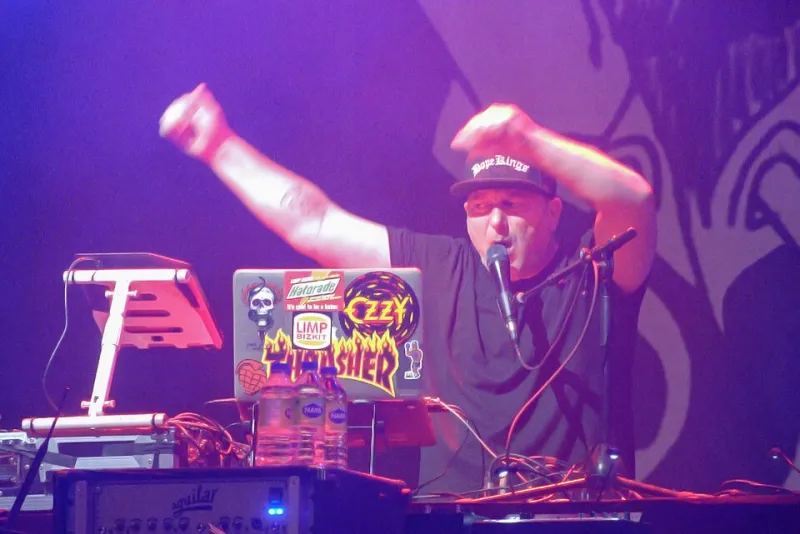
The venues vary wildly. Friday is a 200-cap room in Indianapolis with a proper Pioneer setup and a bartender who actually promotes the event. Saturday is a loft party in Chicago where the 'booth' is a folding table and the monitor is a Bluetooth speaker pointed backwards. Sunday is the fabled 40-cap Sunday-night gig in a college town — the kind of booking that pays $150 and a couch.
She takes all of it. "The Sunday gig is how I found out my music works on people who've never heard of me," she says. "The 200-cap rooms, everyone there already follows me. Forty strangers is the real test."
Why the Small Rooms Matter
Here's the thing nobody in the algorithm era wants to hear: streaming numbers don't book tours. People do. Every promoter Mara knows, she met by playing a room exactly like the ones on this weekend's route. Every city she can return to — and every city she can't — traces back to whether a specific night went well in front of a specific small crowd.
The flyover-state circuit also functions as America's real A&R department. The DJs who survive it can read a room, hold a floor for three hours with no name recognition, and adapt to a sound system held together with duct tape. Those skills don't show up on a Spotify dashboard, but every headliner who came up the same way has them.
Monday Morning, Somewhere on I-70
By Monday afternoon she's home, unloading a UDG bag and a laptop into an apartment she's subletting to afford this tour. The math for the weekend, after gas, tolls, food, and one motel in Chicago: roughly $400 in profit for four days of work.
She's already answering booking emails for next month.
Ask her if it's worth it and she laughs — the laugh of someone who's been asked before. "I've seen the country in a way no tourist ever will. I know which Waffle House in Indiana has the best hash browns. And when a room of forty people in a college town loses it to a track I made in my bedroom? Man. There's no festival payout that touches that."
Then she checks her phone. Three-hour drive on Tuesday. Forty people, somewhere in Ohio.
She'd never miss it.