Wax On, Stream On: Why Bedroom Producers Are Pressing Vinyl in 2025 and What It's Actually Doing for Their Careers
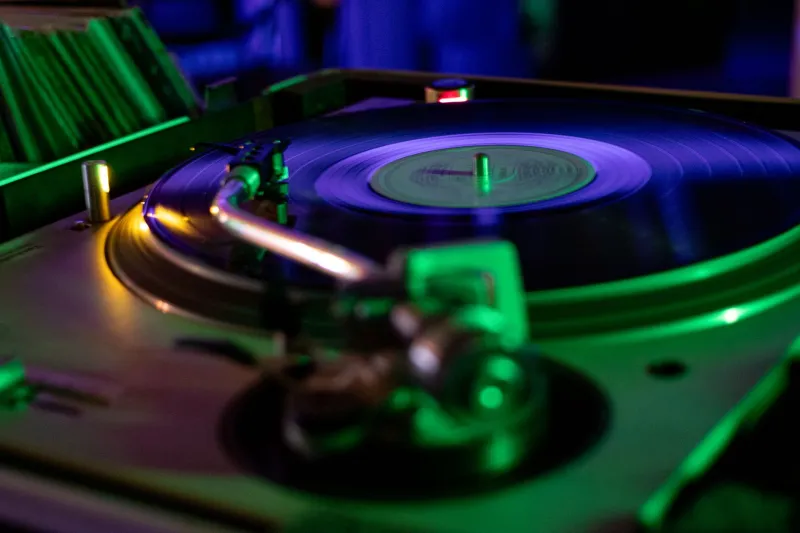
The Most Analog Move in a Digital World
Somewhere in his home studio in Denver, a producer who makes all his music in the box — laptop, plugins, no hardware — recently held a test pressing of his debut twelve-inch and described the experience as "genuinely emotional in a way I wasn't prepared for."
He makes music that will never sound better than it does through a good pair of studio monitors or a high-quality streaming file. He knows this. And yet there he was, cutting lacquers, dealing with pressing plant lead times measured in months, and spending money he didn't really have on a format that most of his listeners will never play.
This is the vinyl paradox of 2025: digital-native producers, people who have never owned a turntable and learned to produce entirely on screens, are going out of their way to release their music on a format that is slower, more expensive, more fragile, and more limited than any digital alternative. And they're not doing it reluctantly. They're doing it strategically.
The Numbers That Actually Make Sense
Vinyl's commercial resurgence is well-documented at this point. The format has posted consecutive years of growth in the US market, outpacing CD sales for several years running, and the demographic driving purchases skews younger than most people expect. Record Store Day has become a genuine cultural event. Independent record stores are opening in cities that haven't had one in a decade.
But the math for a small independent electronic producer looks different than the headline numbers suggest. A pressing of 300 units at a reputable plant — accounting for current lead times and setup costs — might run anywhere from $1,500 to $2,500 depending on weight, color, and packaging choices. Sell those 300 copies at $20 to $25 each, primarily direct-to-fan and through a handful of independent distributors, and the margins are real.
More importantly, the sell-through rate on limited vinyl runs from credible independent artists tends to be high. Scarcity works. A digital release competes with every other release on every streaming platform simultaneously. A limited pressing of 300 copies creates a different kind of attention — one that rewards early adopters and generates the kind of organic social content that no marketing budget can reliably manufacture.
Producer and DJ Tanya Reeves, who runs a small electronic label out of Atlanta, has pressed three releases in the last two years. "My streaming numbers are fine," she says. "But the vinyl releases are what made DJs in other cities start paying attention. It signals something. It says you're serious about the music in a specific way."
The Constraint That Changes the Music
Here's the part that surprises producers who haven't done it yet: pressing to vinyl changes how you make music, sometimes before you've even committed to pressing.
Vinyl has real physical limitations that digital formats don't. Side length matters — you can't fit seventy minutes of music on a twelve-inch without compromising audio quality. Bass frequencies need careful management because excessive low-end can cause the cutting stylus to skip grooves. Stereo width in the low end is particularly problematic. Loud, compressed masters can cause playback issues on certain turntables.
For producers accustomed to the essentially limitless flexibility of digital production, these constraints are initially frustrating. Then something interesting happens: the constraints start functioning as creative direction.
Denver producer Marcus Webb, who made the transition from digital-only to vinyl releases last year, describes the effect clearly. "I started thinking about the listening experience differently. A side of a record is a curated sequence with a defined length. You think about arc, about how tracks relate to each other, about where to put the break. That's a different mindset than dropping individual singles on streaming."
The bass management requirements have had an especially notable effect on several producers' mixing habits. Addressing vinyl-specific low-end issues forced more disciplined frequency decisions that, when applied back to the digital master, produced cleaner, more powerful mixes. The constraint solved a problem the producer hadn't fully recognized as a problem.
The Credibility Economy
There's a cultural dimension to vinyl that's difficult to quantify but impossible to ignore. In electronic music specifically, physical media carries weight. The genre's history runs through record stores, DJ bags, and the tactile ritual of cueing a track on a turntable. A vinyl release connects a contemporary producer to that lineage in a way that a streaming profile simply doesn't.
For artists trying to build a reputation in the DJ and club circuit, this matters practically. DJs who play vinyl — and plenty still do, particularly in house and techno communities — can only play your music if it exists on wax. Being in those bags, in those crates, gets your music into rooms and to audiences that streaming algorithms don't easily reach.
Reeves has experienced this directly. "I had a DJ in Berlin reach out after he found my record in a Chicago shop. That's not a Spotify discovery story. That's a physical object traveling through a community and doing work."
Making the Decision
For producers weighing a first vinyl release, the practical considerations are real. Lead times at reputable US pressing plants currently run anywhere from three to six months. Budgeting carefully, managing expectations about per-unit costs, and having a realistic plan for distribution and direct sales all require more advance planning than dropping a digital release.
But the producers who've made the leap consistently report something they didn't fully anticipate: the process of making music for vinyl, of thinking about physical format and listening context and side sequencing and mastering for wax, made them better at making music in general.
The format that looks most backward turns out to have something genuinely forward-looking to teach. In a production landscape where everything is instantly available and infinitely reproducible, the deliberate embrace of physical limitation might be one of the more interesting creative moves available.
The robot doesn't press records. That still means something.